- Call Now for Same-Day Service
- SALT LAKE CITY 801.397.0079
- UTAH COUNTY 801.768.1995
- WEBER & DAVIS COUNTY 801.621.2137


Why Is My Freezer Leaking Water? Troubleshooting Tips

The Do’s and Don’ts of Unclogging a Garbage Disposal
April 15, 2026
How Long Does a Refrigerator Really Last? Signs It’s Time for a Replacement
June 10, 2026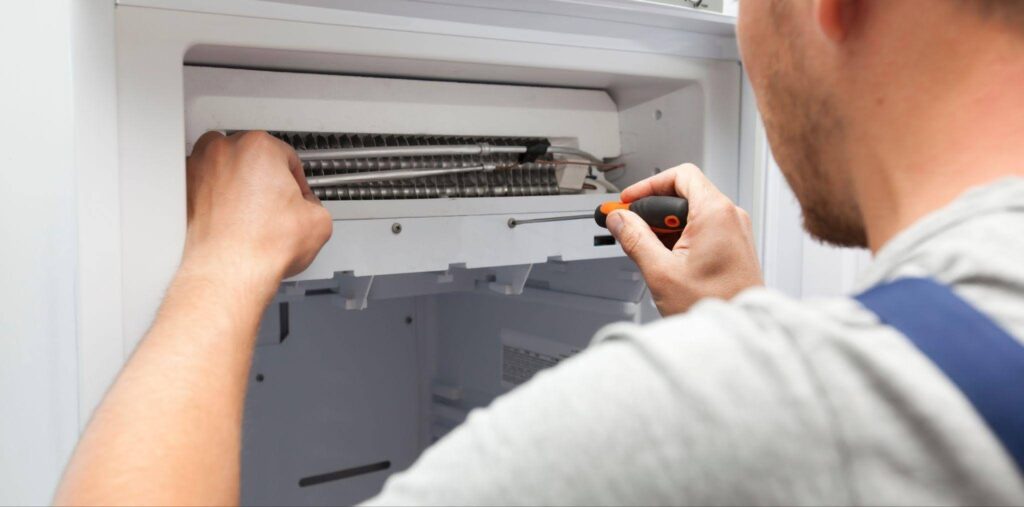
A freezer leaking water is usually caused by a clogged defrost drain, a damaged door gasket, an ice maker leak, a water line issue, or a temperature problem. Check where the water appears, look for ice buildup, clean the door seal, and confirm the freezer temperature. If the leak returns, schedule professional freezer repair.
Start with the source of the leak
Finding water near your freezer can be frustrating, especially when you’re not sure where it came from. Maybe there’s a puddle on the floor, a sheet of ice under the bottom drawer, or water collecting near the back of the refrigerator.
In many cases, a freezer leaking water has a fixable cause. The key is knowing what to check first and when to stop troubleshooting and contact professionals for freezer repair. If you also notice the freezer not freezing food as it should, the issue may need attention sooner.
Why freezers leak water
Freezers manage frost through a defrost cycle. When the frost melts, the water should drain into a pan under the appliance. If that drain freezes, clogs, or backs up, water collects inside the freezer instead.
A weak door seal, an ice maker issue, or a water line leak can also cause water to appear. A freezer leaking water doesn’t always mean the appliance has failed, but repeated leaks or a freezer not freezing properly are signs it’s time to consider freezer repair.
What to check when your freezer leaks
1. Find where the water starts
Dry the freezer floor and the nearby area, then watch where the water returns. Water inside the freezer may point to a defrost drain issue. Water behind the appliance may be due to the water line or the ice maker. Water near the door may mean the gasket isn’t sealing.
2. Look for ice under the bottom drawer
Remove the bottom drawer safely if you can. A sheet of ice on the freezer floor often means the defrost drain is frozen or clogged. Let the ice soften naturally, and use towels as it melts. Don’t chip at it with sharp tools.
3. Inspect the door gasket
Wipe the rubber seal with warm water and mild soap. Look for cracks, gaps, sticky spots, or folded sections. Make sure food packages aren’t blocking the door from closing.
4. Check the temperature
A freezer should generally stay around 0 degrees Fahrenheit. If the temperature rises or fluctuates, a larger cooling issue may be causing the leak. A freezer that isn’t freezing consistently allows frost to form and food to soften.
5. Turn off the ice maker
If your freezer has an ice maker, turn it off for 24 hours and watch the leak. If the water stops, the ice maker, fill tube, inlet valve, or supply line may be involved.
6. Check behind and underneath
Carefully look for water near the wall, supply line, shutoff valve, or drain pan. If you see active dripping from a water line or valve, turn off the water supply only if you can do so safely.
7. Watch for repeat leaks
After cleanup, monitor the freezer for a day or two. A one-time puddle may be simple. If the freezer leaks water again, schedule freezer repair so a technician can inspect the drain, gasket, ice maker, water line, and cooling performance.
What the leak location tells you
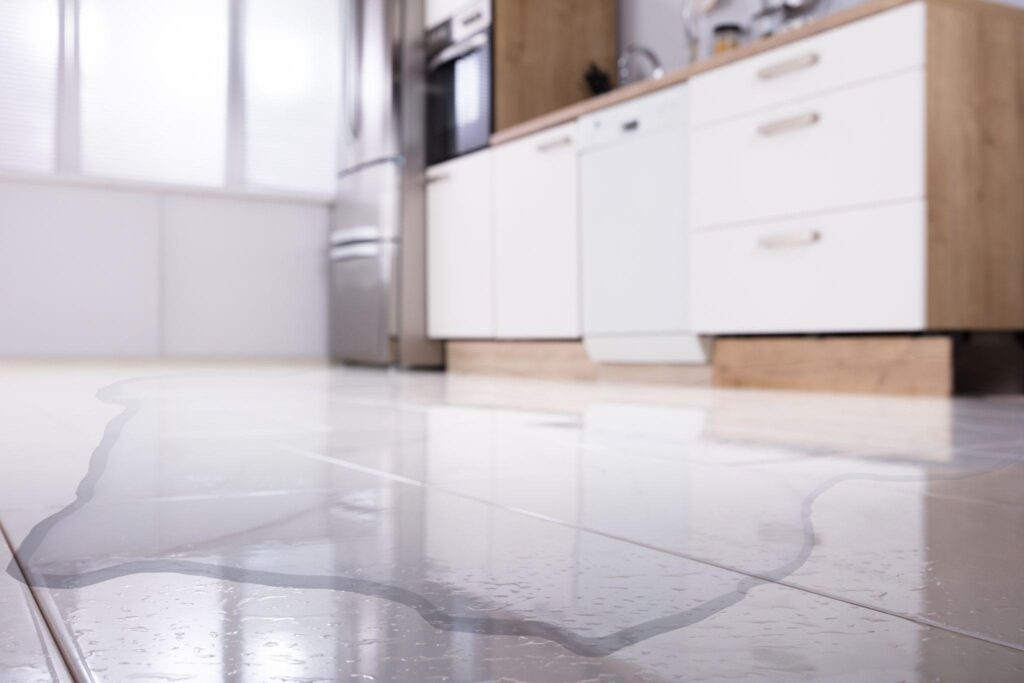
Different leak locations point to different causes.
- Water inside the freezer: A clogged or frozen defrost drain may be causing a backup.
- Ice on the freezer floor: Melted defrost water may freeze before it drains.
- Water behind the refrigerator: The ice maker line, water supply connection, or inlet valve may be leaking.
- Water near the door: The gasket may not be sealing, or the door may not be closing fully.
- Water plus soft food: If you notice the freezer not freezing well, there may be an airflow, temperature, or defrost system issue.
Why it helps to troubleshoot early
Quick troubleshooting helps you make a better next move. It also reduces cleanup and helps you avoid guessing.
Checking the issue early helps you:
- Spot a simple door or gasket problem
- Catch ice buildup before it spreads
- Reduce the repeated water on the floor
- Protect the nearby flooring from ongoing moisture
- Avoid unnecessary part replacement
- Know when the issue is beyond a basic homeowner fix
Mistakes that make the leak worse
A few common mistakes make a freezer leak harder to solve.
- Chipping ice with sharp tools. This punctures the liner or damages internal parts.
- Ignoring a leak that keeps coming back. Repeated leaks usually indicate the root cause is still present.
- Assuming every leak is from the ice maker. Many freezer leaks come from the defrost drain.
- Overpacking the freezer. Blocked vents affect airflow and temperature.
- Leaving a damaged gasket alone. A bad seal keeps creating frost and moisture.
- Waiting too long when the freezer isn’t freezing. Temperature problems affect food quality and point to a more serious issue.
What reliable freezer temperature guidance tells us
- Keep freezers at 0 degrees Fahrenheit or below. FoodSafety.gov notes that food kept continuously at this temperature remains safe, though its quality declines over time.
- Use a thermometer to check performance. If you have a freezer leaking water and the temperature is rising, the issue may be more than a simple drain backup.
- Watch for overlapping symptoms. A freezer not freezing while leaking may point to airflow, gasket, frost, or defrost system problems.
- Schedule freezer repair when issues repeat. A technician checks the drain, seal, ice maker, water line, and cooling performance.
Tools and supplies to have ready
Start with simple household supplies:
- Towels
- Cooler for frozen food
- Flashlight
- Mild soap and warm water
- Soft cloth or sponge
- Appliance thermometer
- Gloves
- Small container for water cleanup
FAQ
Why is my freezer leaking water onto the floor?
A freezer leaking water may be due to a clogged drain, a bad gasket, an ice maker leak, a water line issue, or a drain pan problem. Check where the water appears first.
Why is there ice on the bottom of my freezer?
Ice on the freezer floor often means defrost water is backing up. If it returns after cleanup, the drain may need freezer repair.
Can a bad door seal cause my freezer to leak?
Yes. A weak seal lets warm air in, which creates frost that melts. Clean the gasket and check for cracks, gaps, or loose spots.
Should I unplug my freezer if it’s leaking?
If water is near electrical parts or the outlet, unplug it only if you can do so safely. When unsure, call for service.
What does it mean if my freezer is leaking and not freezing?
A freezer not freezing while leaking may have airflow, gasket, defrost, thermostat, or cooling issues. This needs quicker attention than a small leak.
When should I call for freezer repair?
Call for freezer repair if the leak returns, water comes from behind the fridge, ice keeps forming, the gasket is damaged, or temperatures rise.
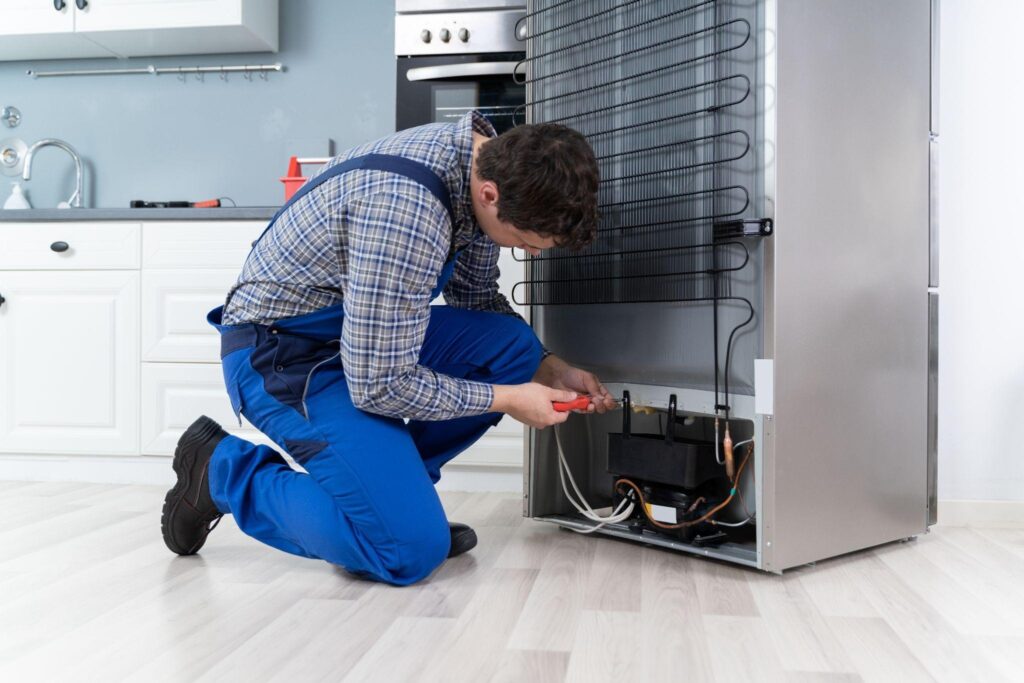
Contact Famous Appliance Service for freezer repair
A freezer leaking water usually points to a drain, gasket, ice maker, water line, or temperature issue. You can try some simple checks at home, but don’t ignore repeated leaks. If you notice the freezer not freezing, water returning after cleanup, or leaking near the back of the appliance, contact Famous Appliance Service for clear communication, upfront pricing, and dependable freezer repair.