- Call Now for Same-Day Service
- SALT LAKE CITY 801.397.0079
- UTAH COUNTY 801.768.1995
- WEBER & DAVIS COUNTY 801.621.2137


Emergency Refrigerator Repair: What to Do When Your Fridge Stops Cooling

How Long Does a Refrigerator Really Last? Signs It’s Time for a Replacement
June 10, 2026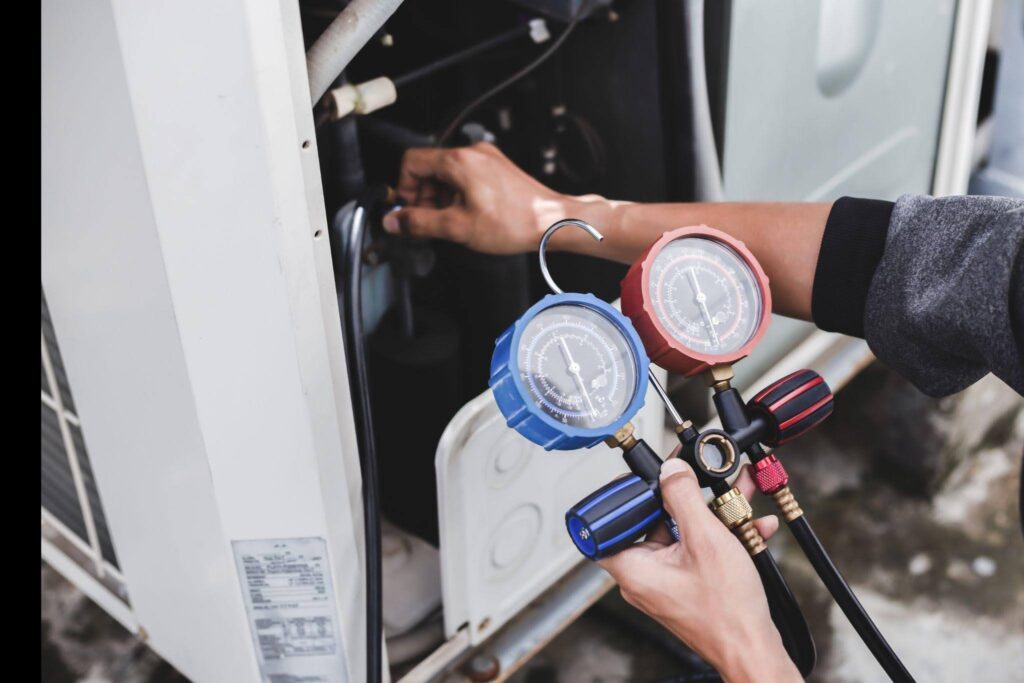
A refrigerator that stops cooling needs quick attention. Start by protecting perishable food, then check the power, temperature setting, air vents, door seal, and condenser coils. If the fridge stays warm, the freezer starts thawing, or food is at risk, schedule emergency refrigerator repair so a technician can diagnose the problem.
When your fridge stops cooling
A warm fridge quickly puts groceries, leftovers, baby formula, and medication at risk. Some cooling problems stem from simple issues you can check right away, while others require a professional diagnosis. This guide explains what to check first, how to spot urgent cooling problems, and when to schedule emergency refrigerator repair
Start by keeping food safe
When your fridge stops cooling, protect the food before troubleshooting for too long. Keep the refrigerator and freezer doors closed as much as possible to keep cold air inside.
Move sensitive items first, including milk, meat, seafood, eggs, leftovers, baby formula, prepared meals, and temperature-sensitive medication. Use another refrigerator, a cooler with ice packs, or bags of ice if needed.
Food risk is one of the biggest reasons a cooling problem becomes urgent. If the fridge feels warm, smells off, or the freezer starts thawing, emergency refrigerator repair is the safest next step.
Simple checks before calling for fridge repair
Check the power
Start with power. Confirm the refrigerator has a secure connection to the outlet and that the cord hasn’t come loose. Check the breaker box to see if a breaker tripped. Look for signs that the appliance has power, such as an interior light, control panel, or humming sound.
If the outlet may be the problem, test it only if you can do so safely. Some refrigerators also have GFCI outlets nearby, especially in garages, basements, or utility areas. If a GFCI outlet tripped, the refrigerator may have lost power even if nothing was wrong with the appliance itself.
Check the temperature setting
Loading groceries or cleaning the fridge may bump the temperature control. Digital controls may also act strangely after a power issue. Check the setting and adjust it back to the recommended range.
After changing the setting, give the refrigerator some time to respond. A fridge doesn’t cool instantly. If the appliance keeps getting warmer or doesn’t improve after several hours, it may need home refrigerator repair.
Check for blocked vents
Cold air needs room to move through the refrigerator and freezer compartments. If food containers, bags, or boxes block the vents, the fridge may cool unevenly or stay warmer than it should.
Move items away from the vents and avoid packing shelves too tightly. An overloaded freezer may also interfere with airflow. This is especially common after a big grocery trip, holiday meal prep, or storing several warm containers at once.
Check the door seal
A weak door seal lets warm air into the fridge. Look around the gasket for gaps, cracks, crumbs, sticky residue, or torn areas. Also, check that nothing inside the fridge is keeping the door from closing all the way.
A door that looks closed from across the kitchen may still have a small gap, making the refrigerator run longer, build up moisture, and struggle to stay cold.
Check the condenser coils
Condenser coils help the refrigerator release heat. Dust, lint, and pet hair collect on the coils, especially underneath or behind the appliance. When the coils get dirty, the fridge may have to work harder to cool.
Unplug the refrigerator before cleaning if the owner’s manual recommends it, then use a coil brush or vacuum attachment carefully. If the coils are very dirty and the fridge is still running, cleaning them may help. If the temperature doesn’t improve, the problem may need professional diagnosis.
Why is my fridge running but not cooling?
When a refrigerator has power, you may hear humming, fans, or clicking, but that doesn’t always mean the cooling system is working correctly.
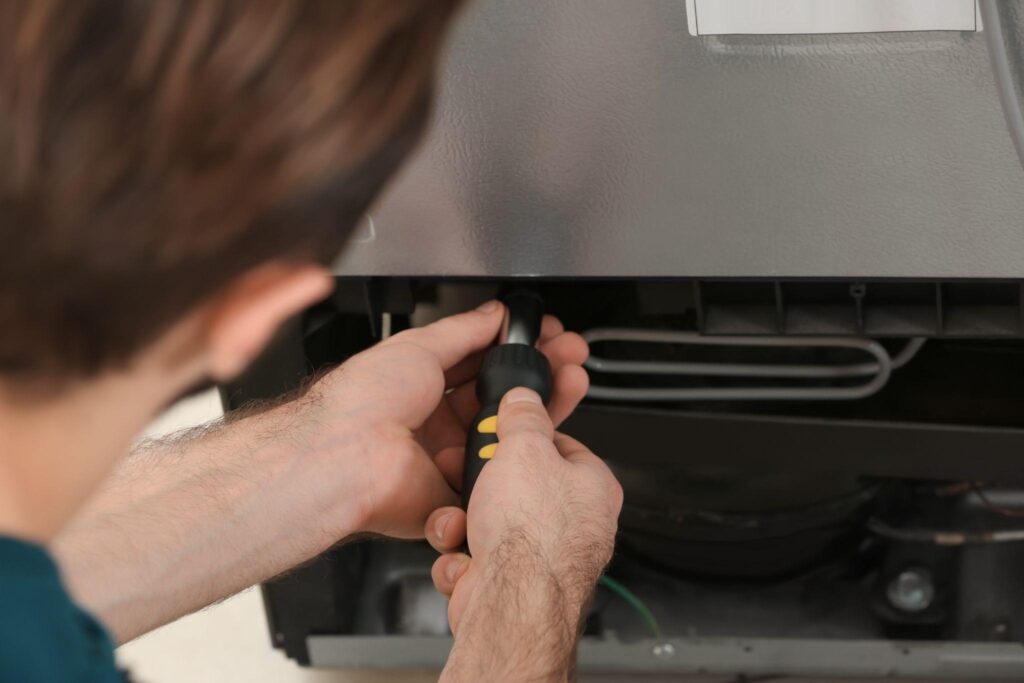
The issue may involve a fan, start relay, thermostat, control board, dirty coils, or poor airflow. Professional fridge repair helps identify the real issue before you replace parts unnecessarily, since several problems can cause the same symptom.
What does it mean when the freezer works but the fridge is warm?
A cold freezer with a warm fridge usually points to an airflow problem. Many refrigerators move cold air from the freezer into the fresh food section. Food, frost, a failed fan, or a stuck damper may block cold air from reaching the fridge, even while the freezer stays cold.
Remove perishable food from the fridge section and schedule a home refrigerator repair if the temperature keeps rising.
Signs you need emergency refrigerator repair
Not every cooling problem is an emergency, but these signs usually call for prompt service:
- The refrigerator feels warm inside.
- The temperature keeps rising after you check the power, settings, vents, seals, and coils.
- The freezer starts thawing.
- Frozen food softens, leaks, or develops ice crystals after partial thawing.
- The fridge runs constantly but never gets cold.
- The appliance clicks repeatedly or emits an unusual buzzing sound.
- The fridge blows warm air.
- Heavy frost builds up inside the freezer or on the back wall.
- Water leaks from the appliance.
- The fridge emits unusual heat, smoke, burning odors, or electrical odors.
- The fridge stores baby formula, insulin, refrigerated medication, meat, dairy, and a large amount of groceries.
- The fridge has power after an outage, but it doesn’t start cooling within a reasonable amount of time.
If the appliance seems unsafe, stop using it and call for help. Emergency refrigerator repair is worth considering when food, medication, or safety is at risk.
When to call a professional for fridge repair
Call a professional if you’ve checked the basics and the fridge still isn’t cooling. That includes:
- The refrigerator has power, but it won’t get cold.
- The temperature setting is correct, but the fridge stays warm.
- The vents are clear, but cold air still isn’t circulating.
- The doors seal properly, but warm air seems to be getting in.
- The condenser coils are clean, but the appliance keeps struggling.
- The fridge runs constantly without reaching the right temperature.
- The freezer is thawing, or the fresh food section is warming up.
- You hear repeated clicking, buzzing, or unusual noises.
- You notice heavy frost buildup, leaks, or inconsistent temperatures.
A technician safely inspects the appliance and tests the parts that control cooling, including fans, thermostats, relays, compressors, control boards, defrost components, and sealed-system components.
Professional fridge repair helps you avoid guesswork. Home refrigerator repair also gives you a clear diagnosis, so you can decide whether repair or replacement makes more sense.
Decide whether repair makes sense
A fridge that stops cooling doesn’t automatically mean it’s time to replace it. Many issues stem from repairable parts or airflow problems, including door gaskets, fans, relays, thermostats, defrost components, and other electrical issues.
More serious issues, such as compressor or sealed-system problems, may require a closer cost review. Home refrigerator repair starts with a diagnosis so you know what failed, what the repair involves, and whether fixing the appliance makes sense.
How to prevent future refrigerator cooling problems
A few simple habits help reduce cooling strain and lower the chance of unexpected fridge repair:
- Clean the condenser coils regularly, especially if you have pets or the fridge sits in a dusty area.
- Keep food away from interior vents so cold air can circulate.
- Avoid overloading the refrigerator or freezer, especially after large grocery trips.
- Check the door gaskets for crumbs, sticky spots, gaps, cracks, or loose sections.
- Let large batches of hot food cool slightly before refrigerating.
- Store warm leftovers in shallow containers so they cool more evenly.
- Watch for early warning signs, such as longer run times, inconsistent temperatures, frost buildup, clicking sounds, or food spoiling faster than usual.
Small maintenance steps help the fridge cool more efficiently. If cooling problems persist, schedule a home refrigerator repair before the issue worsens.
Why prompt service helps protect your fridge and your routine
When a refrigerator stops cooling, quick service can help protect your food, your appliance, and your routine. A warm refrigerator may:
- Put groceries, leftovers, dairy, meat, baby formula, or medication at risk
- Interrupt meal prep, grocery planning, and the normal household routine
- Leave you guessing about whether the issue is simple or serious
- Help identify the cause before the fridge keeps running without cooling
- Give you a clear repair recommendation from a trained technician
- Help you decide whether fridge repair or replacement makes more sense
Emergency refrigerator repair gives you a faster next step when the fridge stops cooling, and basic checks don’t solve the problem. Home refrigerator repair also gives you clearer answers when the issue turns out to be more involved.
FAQ
Is a fridge not cooling an emergency?
It can be. A fridge that stays warm, a freezer that starts thawing, or an appliance storing medication, baby formula, meat, dairy, or other sensitive items may need emergency refrigerator repair. If the temperature keeps rising after basic checks, prompt service helps reduce food loss and identify the problem.
Why is my freezer cold but my fridge warm?
The fridge section may not be getting enough cold air. This can happen when food blocks the vents, frost builds up, the evaporator fan fails, or the damper doesn’t open correctly. Since several parts cause the same symptom, a technician may need to inspect the airflow and cooling system.
Should I unplug my fridge if it stops cooling?
In most cases, leave it plugged in while you check power, settings, vents, seals, and coils. Unplug it if you notice smoke, a burning smell, water near electrical parts, or another safety concern. If something seems unsafe, stop using the appliance and call for professional help.
How long does it take a fridge to cool down again after a simple fix?
It may take several hours for the temperature to stabilize after you adjust the setting, clear blocked vents, or clean dirty coils. Keep the doors closed as much as possible during that time. If the temperature doesn’t improve, schedule fridge repair.
Why is my refrigerator clicking but not cooling?
Clicking may point to a startup issue, relay problem, compressor trouble, or electrical component failure. The appliance may be trying to start before it cools properly. A technician tests the system and explains whether repair is possible.
Can home refrigerator repair fix cooling problems?
Yes, many cooling problems are repairable. Fans, door seals, thermostats, relays, defrost parts, and some control issues may be serviceable. Compressor or sealed-system problems require a more detailed cost discussion, but a diagnosis gives you the clearest answer.
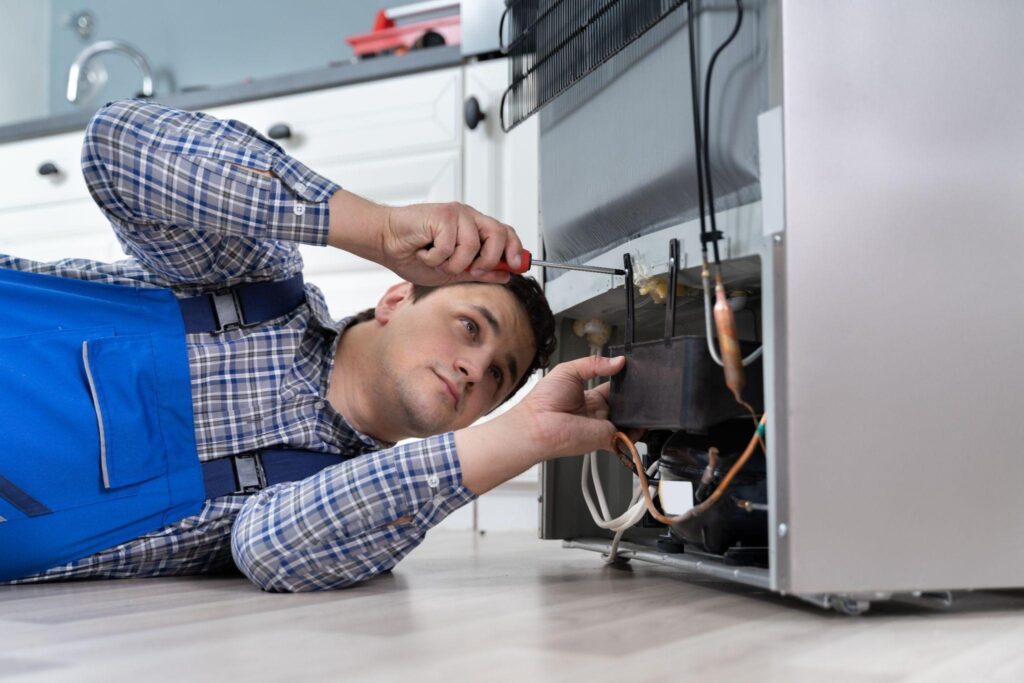
Get clear answers from Famous Appliance Service
When your fridge stops cooling, start by protecting the food. Keep the doors closed, move sensitive items if needed, then check the power, temperature setting, vents, door seal, and condenser coils. These simple steps may help you find an easy cause.
If the fridge stays warm, the freezer starts thawing, or the temperature keeps rising, schedule emergency refrigerator repair. A professional diagnosis identifies the problem and helps you decide whether fridge repair makes sense. Contact Famous Appliance Service for clear answers, prompt scheduling, and dependable refrigerator repair for your home.