- Call Now for Same-Day Service
- SALT LAKE CITY 801.397.0079
- UTAH COUNTY 801.768.1995
- WEBER & DAVIS COUNTY 801.621.2137


10 Common Washing Machine Issues and How to Fix Them

When to Call a Professional for Home Appliance Repair
January 14, 2026
Most washing machine issues stem from simple causes such as unbalanced loads, clogged drain pumps, kinked hoses, or worn lid locks. You fix many problems with safe checks, cleaning, and proper loading. If you have a broken washing machine that leaks, won’t drain, or won’t spin, schedule professional repair to prevent water damage and more serious failures.
When your washer starts acting up
A washer problem will derail your whole routine. One day, it’s a little extra noise, and the next day, your laundry room has standing water. The good news is that many washing machine issues are fixable with basic troubleshooting, such as leveling the washer, clearing a filter, or adjusting the load size.
This guide covers 10 of the most common washer problems, what usually causes them, and how to fix them safely. We’ll also point out the clear red flags of a broken washing machine and when it’s smarter to call for washing machine repair than to guess.
What causes most washing machine problems?
Washers do a lot of work in a small space, and most problems come down to a few systems: filling, draining, spinning, and sensing. When something goes wrong, the symptom you see is not always the real cause. For example, a washer that “won’t spin” could be an unbalanced load, a drain problem, a lid lock issue, or even an error condition that stops the cycle to prevent damage.
Many washing machine issues start as minor performance changes. The unit might take longer to drain, shake a little more than normal, or leave detergent residue. Catching those signs early helps prevent more serious damage, such as worn bearings, failed pumps, or leaking seals, which harm your floors.
Early troubleshooting prevents water damage and reduces the risk that a small problem will turn into a costly repair.
How to troubleshoot washer problems safely
Before you try any fix, keep safety and water control in mind. You do not need to take the washer apart to catch the most common causes.
1. Pause the cycle and power down safely
If the washer is leaking, unplug it and turn off the water supply valves. If it is not leaking, it’s still important to power it off before checking hoses and connections.
2. Check the load and balance
Heavy single items, such as blankets and rugs, often create an imbalance. Redistribute the load or add a few towels to balance it.
3. Confirm the washer is level
Use a bubble level front-to-back and side-to-side. Adjust the feet as needed. An unlevel washer is a top cause of noise and shaking.
4. Inspect hoses for moisture or damage
Look at both hot and cold supply hoses and the drain hose. Check for drips at connection points and cracks along the hose body.
5. Check the drain hose placement
Make sure the hose is not kinked and is installed at the right height to prevent backflow.
6. Clean the pump filter, if accessible
Many front-load washers have a small filter door near the bottom front. Follow your owner’s manual, keep towels nearby, and drain slowly.
7. Run a short test cycle
Use rinse and spin to see if the symptom returns after your checks.
8. Note any error codes
If the same code keeps coming back, you may be dealing with a broken washing machine that needs professional diagnosis.
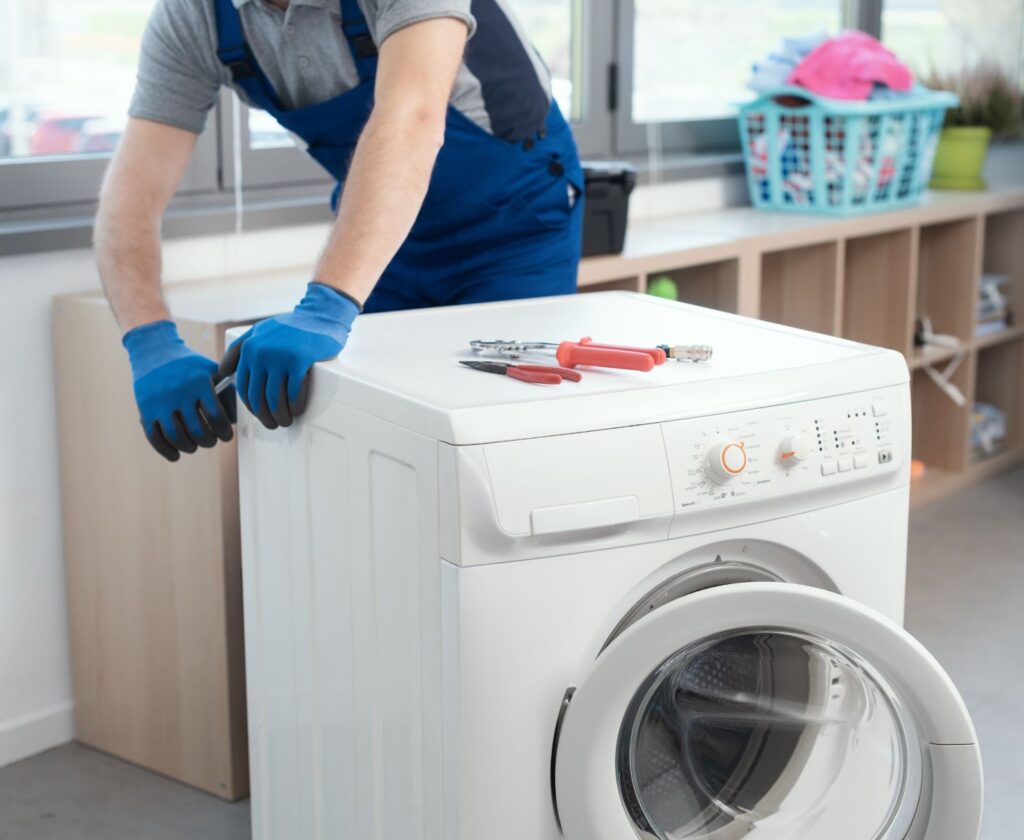
10 common washing machine issues and how to fix them
1. The washer won’t start
This usually comes down to power, settings, or a lid or door that isn’t locking properly. Start by testing the outlet with another device, then check the breaker and any nearby GFCI outlet. Make sure the door closes fully with no clothing caught, and confirm there’s no delayed start or child lock turned on. If you hear clicking but nothing happens, you may need washing machine repair to address a lock or control issue.
2. The washer won’t drain
Drain problems often stem from a clogged pump filter, a blocked drain hose, or a failing drain pump. Check the drain hose for kinks and blockages, then clean the pump filter if your model has one. Run a rinse-and-spin cycle to see if drainage improves.
If water keeps returning or the washer repeatedly stops mid-cycle, treat it like a broken washing machine and schedule service to avoid overflow.
3. The washer won’t spin or leaves clothes soaking wet
When clothes come out dripping, the issue is often an unbalanced load, a drainage problem, or a lid lock that won’t engage. Redistribute the load and avoid washing a single heavy item alone; confirm the washer drains properly before the spin phase. Make sure the lid or door lock closes securely. If the spin cycle keeps failing, professional washing machine repair prevents motor strain and repeated shutdowns.
4. The washer shakes violently or “walks”
An unlevel washer, uneven flooring, or overloading commonly causes excessive shaking, and shipping bolts left on a front-load unit can make it worse. Use a bubble level and adjust the feet until the washer sits stably, and avoid overloading or running heavy items unbalanced. If you installed the washer recently, confirm that you removed the shipping bolts. If shaking continues after leveling, schedule service to prevent internal damage.
5. The washer is leaking water
Leaks often come from loose hose connections, worn hoses, buildup of the door gasket, or a drain pump leak. Turn off the water and inspect the supply hoses and connections first, then check the door gasket for moisture and gently clean away residue. Look around the detergent drawer area for overflow or buildup. Because leaks quickly damage flooring, persistent leaks are a sign of a broken washing machine that needs service.
6. The washer smells musty or moldy
Musty odors usually come from trapped moisture, detergent residue, and buildup around the gasket, especially in front-load models. Leave the door open after each cycle to help the drum dry, clean the gasket and remove any trapped debris, and run a monthly cleaning cycle with washer cleaner. Use the recommended detergent amount to prevent residue.
If odors return quickly, even with consistent cleaning, a technician checks for hidden buildup or drainage issues.
7. The washer makes loud banging, grinding, or squealing noises
An unbalanced load or a small item trapped in the drum area often causes noise, but grinding or metal-on-metal sounds can signal worn bearings or loose components. Pause the cycle and redistribute the load, then check the drum for coins, clips, or other items.
Pay attention to grinding that doesn’t change with load size. If that sound persists, stop running the washer and schedule washing machine repair before the damage spreads.
8. The washer overfills or won’t stop filling
A faulty water inlet valve or a pressure switch issue can cause overfilling and lead to significant water damage. If the washer is still filling, turn off the water supply valves immediately, then power off the unit. Do not run it again until a technician inspects it.
9. The washer leaves detergent residue on clothes
Detergent residue usually happens when you use too much detergent, overload the drum, or wash heavily soiled loads in cold water. Switch to the recommended detergent amount, avoid overfilling the washer, and run an extra rinse cycle when needed. Warm water also helps with heavily soiled clothing. The residue seems minor, but it’s one of those washing machine issues that often leads to odors and buildup over time.
10. The washer stops mid-cycle or shows repeated error codes
When a washer stops mid-cycle, the cause is often drainage trouble, a lock issue, a sensor fault, or a control board problem. Try resetting the washer and running a short test cycle, then confirm proper drainage and check any accessible filters. Write down the error code and note when it appears. If the code returns and the washer stops again, you likely have a broken washing machine that needs a technician to diagnose the root cause.
Why fixing washer problems early matters
Washer problems tend to compound. A minor imbalance, strain on suspension parts, a slow drain, stress on the pump, and a small leak can damage the flooring and pose a mold risk. Fixing small problems early also improves cleaning performance and reduces repeat interruptions.
If you ignore warning signs, you increase the odds that a repairable issue becomes a broken washing machine that stops working entirely. Addressing common washing machine issues early also reduces the likelihood of emergency calls and repeated breakdowns.
Common mistakes to avoid
- Overloading the washer or washing heavy single items alone
- Ignoring small leaks or “occasional” puddles
- Using too much detergent causes residue and odors
- Skipping cleaning cycles and gasket care
- Trying harsh chemicals that damage seals and hoses
- Swapping parts without a clear diagnosis
When symptoms repeat, guessing often costs more than one professional visit.
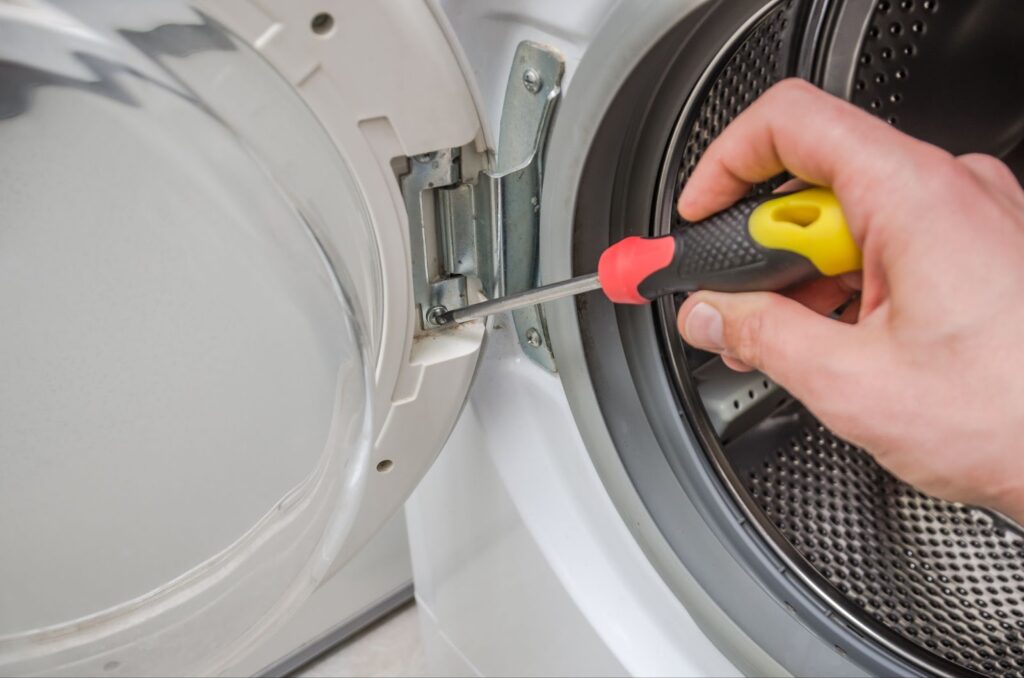
Data and decision guides for repairs vs. replacement
Washers last many years with routine care, but once problems repeat, you need a plan. If the washer is mid-life and has been reliable, repairing a drain pump, hose, or lock is often worthwhile. If the washer is near the end of its lifespan and needs multiple major components, replacement makes more sense.
Practical considerations to help you decide include:
- How old the washer is
- Whether the issue is isolated or recurring
- Whether water damage risk is present
- Whether the repair addresses a root cause or only a symptom
When in doubt, professional washing machine repair provides a clear diagnosis so you can make a confident decision.
Tools and products that help
You handle many safe checks with basic household tools:
- Bubble level for leveling and vibration control
- Microfiber cloths and mild cleaner for gasket and door care
- Washer cleaning tablets for monthly maintenance
- Drain-safe enzyme cleaner for household drains
- Shop vac for cleanup, not internal repairs
- Smart leak detector to catch water early
- Replacement hoses when hoses show wear or corrosion
These tools help prevent and reduce washing machine issues, but they do not replace professional diagnosis for leaks, repeated error codes, or non-draining units.
FAQ
Why is my washer leaving clothes soaking wet?
This usually points to a spin problem, a drain issue, or an unbalanced load. Try rebalancing the load, confirming the washer is level, and making sure it drains properly. If the problem repeats, schedule service to avoid motor strain and repeated shutdowns.
What causes a washer to smell musty?
Musty odors often come from trapped moisture and detergent residue, especially in front-load gaskets. Leave the door open after use, wipe the gasket, and run a monthly cleaning cycle. If odors return quickly, a technician checks for drainage or buildup issues.
Is a leaking washer an emergency?
A leak becomes urgent because it can quickly damage the flooring and pose a mold risk. Turn off the water supply valves and stop using the washer until you identify the source. If the leak persists after checking hoses and connections, schedule service.
How do I know if my washer is beyond repair?
Consider age, how often issues occur, and whether the repair involves major components. If the washer has multiple repeat failures or needs costly parts, replacement may make more sense. A technician diagnoses the issue and helps you weigh the repair vs. replacement options.
Why does my washer keep showing the same error code?
Repeated error codes usually indicate that the underlying issue persists, such as a drain problem, a lock fault, or a sensor failure. Write down the code and when it appears. If it returns after basic checks, schedule professional washing machine repair for an accurate diagnosis.
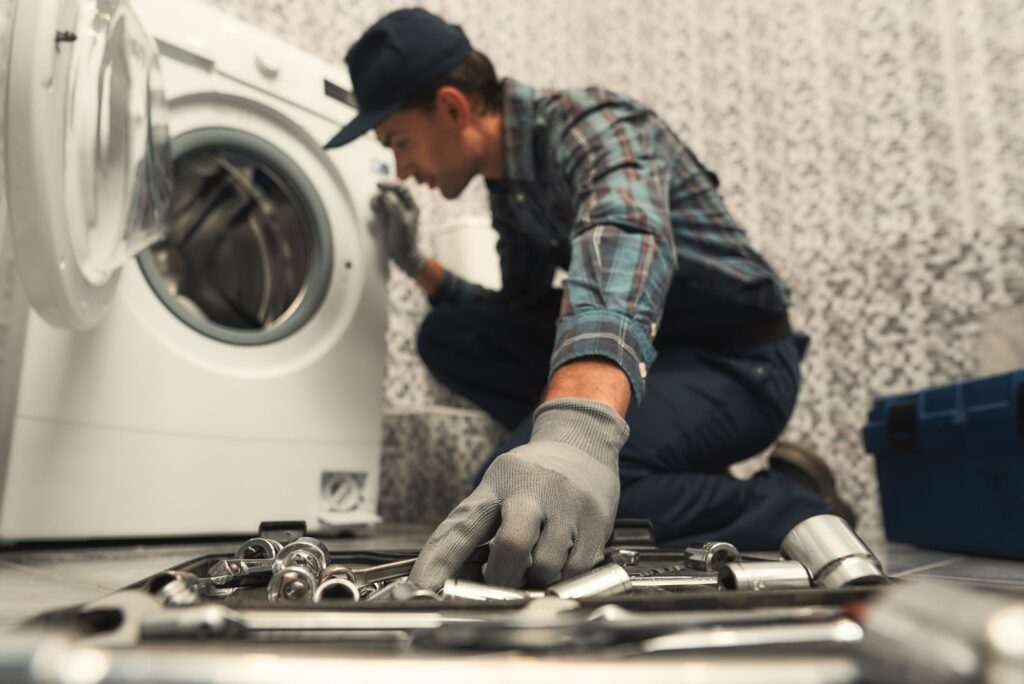
Get your laundry routine back on track with Famous Appliance Service
Most washer problems start small, and you resolve many of them with safe checks like leveling the unit, cleaning accessible filters, and balancing loads. Still, repeated leaks, recurring error codes, and drainage failures are signs of a broken washing machine that needs professional attention. If you’re dealing with recurring washing machine issues, contact Famous Appliance Repair to protect your home from water damage and get your routine back on track.